


What we do

Angels of Africa empowers rural communities through a holistic approach that integrates environmental protection, economic development, healthcare, and publishing.
We take action to protect the environment by maintaining a community water well, planting trees, promoting agroforestry, and advancing food sovereignty. To support economic resilience, we provide microloans, grants, and training in sustainable agriculture, encouraging mixed farming and the cultivation of crops and fruit trees.
Our community health clinic in Giribe offers essential medical services, bringing hope and healing to families in need. Through Angels of Africa Press, we publish powerful stories that inspire change, beginning with our first title, Crossing Waiyaki Way, with all proceeds supporting our development programs. We welcome submissions from new authors passionate about storytelling and community impact.
Together, we take action. Chukua Hatua!

Healthcare
We provide basic healthcare to people who need it most. Our focus is on preventing sickness, treating illness, and teaching healthy habits. At our Giribe clinic, we offer free malaria tests and medicine for everyone. We also provide simple medicine for common problems like colds, fevers, stomach aches, and body pain. We believe everyone deserves easy access to the care they need
The World Health Organization (WHO) reports 1,670 malaria deaths every day. We’re working to make sure none of them happen here. Our clinic provides free, high-quality malaria treatment to those who need it most. By removing the cost of care, we are turning global statistics into local stories of survival.
Daily Impact Most Vulnerable Bottom Line
1,670 lives are lost every single day
to malaria.
75% of all malaria deaths occur in children under
the age of 5.
1,250 children die daily from a disease that is entirely preventable.

When a Patient Arrives at the clinic
Most days, a patient arrives as a mother carrying her child, often tired, worried, and hoping for help. Our community health worker welcomes them and begins by taking basic details, name, date of birth, and a contact, usually a phone number or the family name, since people in the community know each other well.
After registration, the health worker checks the patient’s temperature and weight, and makes a simple physical observation. Then the mother or caregiver explains what has been happening, how long the child has been sick, and what symptoms they have noticed. This conversation helps guide the next step of care.
The Rapid Malaria Test
If malaria is suspected, we use a rapid test kit. It’s a simple finger prick, just a small drop of blood is placed on the test strip, and within a few minutes, we can tell if malaria is present. It’s quick, safe, and helps us act fast.


Results and Treatment
If the test is positive, treatment begins immediately. We provide free malaria medication to anyone who needs it, children and adults alike. The health worker explains how to take the medicine properly and may also give basic pain relief, like aspirin or ibuprofen, to help manage fever and discomfort.
Treatment usually lasts about three days, and patients are encouraged to return for a follow-up check. If there is no improvement, the health worker may escalate care, including giving a malaria injection or referring the patient for further treatment.
Help us turn "Preventable" into Prevented!
Your gift to Angels of Africa provides free medicine for those who need it most. No one should die because they are poor.
Community Water Well
The Global Water Crisis Water scarcity is one of the greatest challenges facing communities today. According to UNICEF, nearly 4 billion people experience severe water shortages annually. For many families, safe water isn’t a right, it’s a daily struggle.
4 billion 2 billion 739 million
People face severe scarcity at least 1 month/year.
People live in countries with inadequate supply.
Children live in high-stress water areas.


1 in 5 children globally does not have enough water to meet their daily needs.
At Angels of Africa, we see the impact of this crisis every day. When children lack clean water, they face disease and missed education. This is why our mission goes beyond medicine; it’s about restoring opportunity and dignity through access to the most basic human need.

The Angels of Africa community water well was completed in 2021 after three years of dedicated fundraising and support from people who believed in this mission. Before the well, families depended on unsafe and unreliable water sources, and many of the illnesses we treated at our clinic were linked to contaminated water.
During the early stages of drilling, we discovered that the underground water levels were low. This led us to expand our work and begin a tree planting initiative to help restore the environment and improve water retention in the area. What started as a water project naturally grew into a broader effort to protect the land and secure the future of the community.
Once drilling was completed, we constructed an overhead water tank and installed an electric pump to ensure a consistent and reliable supply. Today, the system is managed daily, water is opened for the community in the morning and again in the evening, allowing families to access clean water at set times.
The well now serves over 350 families every day. It has become a lifeline for the community, supporting health, stability, and daily life.
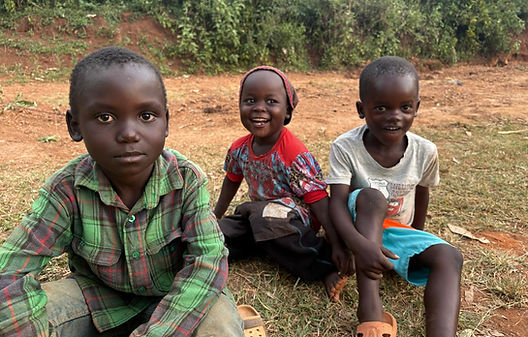
For School-Going Students
Access to clean water improves concentration, attendance, and overall performance in school. Students can focus on their education instead of the burden of water collection.
For Children
Children are healthier and miss fewer days of school due to water-related illnesses. They no longer spend hours walking long distances to fetch water, giving them more time to learn, rest, and simply be children.
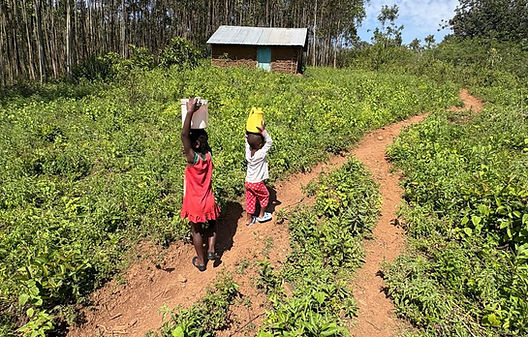

For Women
Women, who traditionally bear the responsibility of fetching water, now have safe and reliable access nearby. This saves time and energy, reduces physical strain, and allows them to focus on family, small businesses, and other productive activities.
For Men
Men are better able to engage in work and support their families when household water needs are met. The availability of clean water also supports small-scale farming and other income-generating activities.


Angels of Africa is a 501(c)(3) nonprofit organization incorporated in the US and a licensed CBO in Kenya, with volunteers in both the United States and Kenya.
Water Well
Medical Clinic
Trinity Lodge
Agroforestry
Publication
Economic Empowerment
Our Story
Mission
Leadership
Meet our staff
Our Blog
Mission Trips
Events
Donate Supplies
Partnerships
Board Membership
Careers
info@angelsofafrica.org
US Phone: +1.541.393.4697
Kenya Phone: +254.713.395.514
Mission Trips to East Africa
Our mission trips offer a chance to serve, learn, and connect on a deeper level. Participants work alongside local communities on meaningful projects while experiencing the culture and impact firsthand.
Sign up for our inaugural mission trip updates to stay informed on our latest news, special offers, and project milestones.